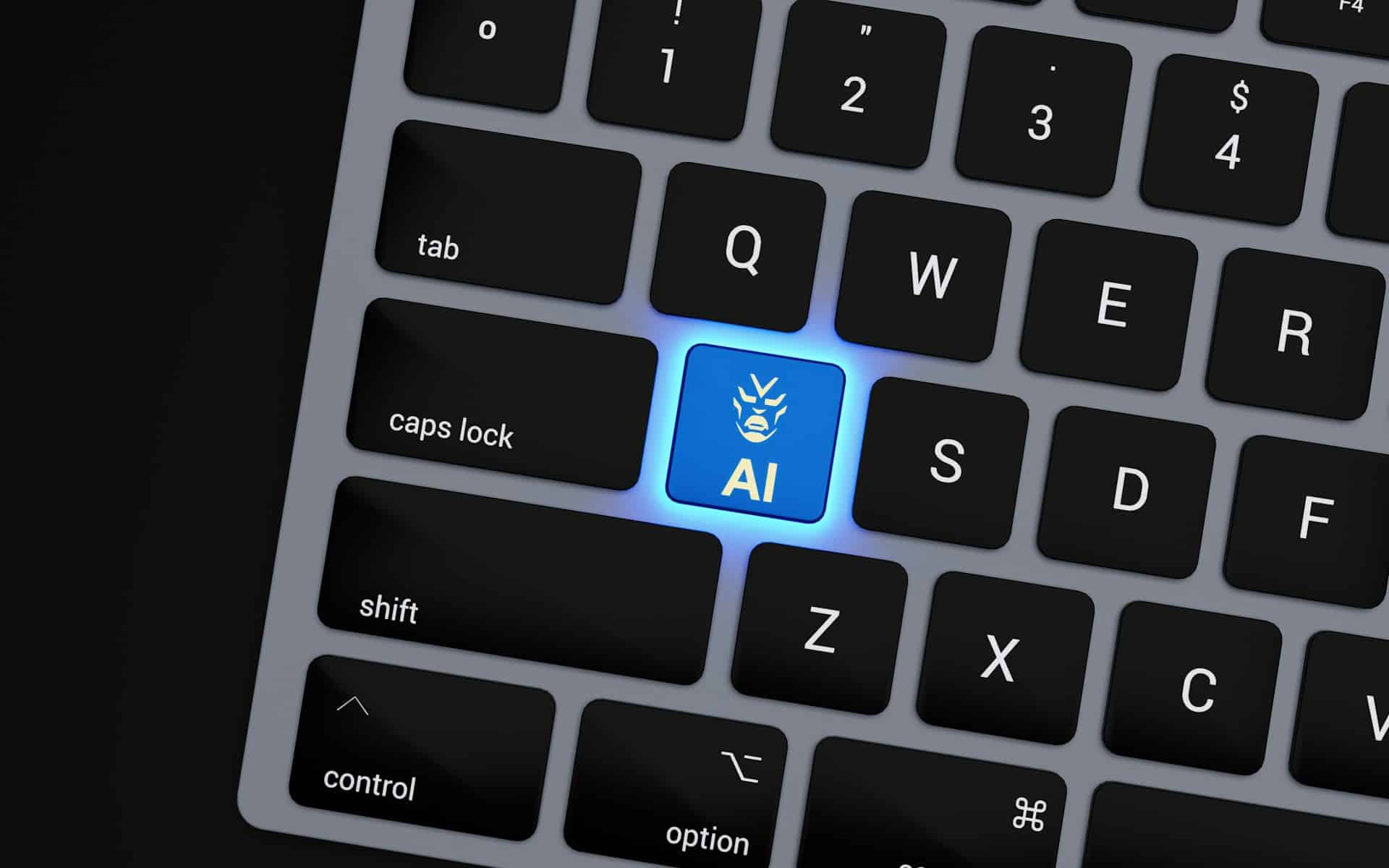
Artificial intelligence (AI) is transforming the way employers assess and manage employee performance. In Ontario, as in many jurisdictions, workplace technology has evolved far beyond simple time-tracking tools. Employers now utilize AI-driven analytics to assess productivity, identify potential underperformance, and even generate written performance reports.
While these systems promise objectivity and efficiency, they also raise complex legal questions. When an employee is terminated based on data or reports produced by AI, are those reports reliable evidence? Can employers defend such dismissals if challenged in court, or could reliance on flawed algorithms expose them to wrongful dismissal claims?
The Rise of AI in Performance Management
AI tools have become increasingly integrated into workplace management systems. Many software platforms utilize algorithms to collect and analyze large volumes of employee data, including keystrokes, emails, call logs, and project completion rates, and translate that information into productivity scores or performance summaries.
For employers, the appeal is clear. Automated systems can identify performance trends, flag inefficiencies, and assist managers with personnel decisions. However, these systems are only as reliable as the data and assumptions on which they are based. An algorithm designed or trained with incomplete or biased data may produce inaccurate or discriminatory assessments, undermining both fairness and legal defensibility.
AI-generated reports may also fail to capture the full context of an employee’s role. For instance, creative, client-facing, or collaborative tasks may not be easily quantified, yet they form crucial aspects of performance in many professional environments. This disconnect between measurable output and actual job value can create legal exposure when performance data is used to justify termination decisions.
Performance Reports as Evidence in Employment Litigation
In Ontario, employers must be able to demonstrate just cause for termination or, in cases of without-cause dismissal, show that the employee’s performance management process was reasonable and not in bad faith. Documentation (including performance reviews and warnings) often forms the backbone of this defence.
However, courts assess such documentation with a critical eye. They expect evidence that is consistent, contextual, and grounded in human judgment. AI-generated reports, while detailed and data-driven, may not always meet these standards.
Consider a scenario where an employer terminates an employee for “poor productivity” based on an AI report indicating low task completion rates. If that employee challenges the dismissal, alleging that the data failed to account for workload complexity or client communication duties, the employer will need to explain how the AI system operates and whether human oversight verified its conclusions.
Ontario courts are unlikely to accept algorithmic data at face value without human interpretation. Judges expect employers to apply discernment and fairness, particularly where the consequences include loss of employment and income. As a result, AI-generated documentation is best viewed as a supporting tool, not a standalone justification, for employment decisions.
The Standard for “Just Cause” and the Role of Documentation
Establishing just cause for dismissal under common law is a high bar. The employer must demonstrate that the employee’s conduct or performance was so deficient that continued employment became untenable. Courts emphasize proportionality, procedural fairness, and a clear record of warnings and opportunities to improve.
When employers rely on AI-generated reports, those same principles still apply. The reports must be accurate, contextual, and reviewed through a human lens. If the algorithm’s conclusions are flawed (for example, if it penalizes employees who take parental leave, flexible hours, or accommodation-related absences), the employer’s reliance on that data may render the dismissal unjust or even discriminatory.
Documentation remains crucial, but its credibility depends on how it was produced. Reports generated without transparency or oversight may weaken, rather than strengthen, an employer’s position.
Privacy and Consent in AI Monitoring
In addition to employment law considerations, the use of AI monitoring tools raises significant privacy issues. Under the federal Personal Information Protection and Electronic Documents Act (PIPEDA), employers collecting, using, or disclosing personal information in the course of employment must obtain meaningful consent and disclose how that information will be used.
AI-driven performance systems often rely on continuous data collection, which can include keystrokes, voice recordings, or location tracking. Without clear policies and consent, such monitoring could contravene privacy law. Ontario does not yet have a comprehensive private-sector privacy statute; however, many employers fall under PIPEDA when engaging in commercial activity.
From a practical standpoint, transparency is key. Employers should clearly inform employees of:
- What data is collected;
- How it will be analyzed by AI;
- The purpose of collection; and
- Whether it will influence performance evaluations or employment decisions.
Failure to provide this transparency can undermine trust, damage morale, and expose the organization to legal complaints or reputational harm.
Algorithmic Bias and Human Rights Risks
Ontario’s Human Rights Code prohibits discrimination in employment on the basis of protected grounds such as disability, family status, sex, age, race, and other factors. While AI systems are often marketed as “objective,” they can inadvertently reproduce or amplify bias embedded in their training data or design.
For example, an AI tool that correlates “responsiveness” or “attendance” with productivity might penalize employees who take medical leave, require accommodation for disability, or manage caregiving responsibilities. Even if the bias is unintended, the employer remains legally responsible for discriminatory outcomes.
In human rights proceedings, employers cannot avoid liability by pointing to the algorithm. Courts and tribunals assess whether the employer’s conduct (including reliance on AI outputs) resulted in discrimination or failure to accommodate. Employers that adopt AI systems must therefore conduct bias testing, maintain human oversight, and ensure that decisions are not made solely based on automated evaluations.
Transparency and Explainability in AI Systems
A growing challenge in AI governance is “explainability”: the ability to understand how a system reached its conclusion. Many AI tools, especially those built on complex machine-learning models, operate as “black boxes,” producing results that even their developers may not fully understand.
From an employment law perspective, this lack of explainability creates risk. If an employee is terminated based on an AI-generated report, and the employer cannot explain how the system arrived at its assessment, it will be challenging to demonstrate fairness or defend against a claim.
Constructive Dismissal and Workplace Changes
Beyond termination, AI-driven monitoring can give rise to constructive dismissal claims. If an employer significantly alters an employee’s working conditions, for example, by introducing invasive monitoring or algorithmic scoring without the employee’s consent, the change may amount to a unilateral modification of the fundamental terms of employment.
Ontario courts assess constructive dismissal based on whether a reasonable employee would consider the change a substantial breach of the employment relationship. Introducing continuous AI surveillance, particularly without consultation or safeguards, could meet that threshold. Employers should therefore engage employees proactively, explain the purpose and scope of monitoring, and offer opportunities for feedback or accommodation.
The Role of Human Oversight
Human oversight remains essential in any AI-based performance evaluation system. Employers should avoid delegating decision-making authority entirely to algorithms. Instead, managers should review AI reports critically, verify data against observable performance, and provide employees with opportunities to respond.
Courts have consistently emphasized the importance of procedural fairness in termination decisions. Employees must understand the reasons for discipline or dismissal and have the opportunity to correct or contest any inaccurate information. Automated systems that bypass this step risk breaching the implied duty of good faith and fair dealing recognized in Ontario employment law.
By maintaining a “human-in-the-loop” approach, employers can preserve both fairness and defensibility in their performance management practices.
Best Practices for Ontario Employers Implementing AI in Performance Management
To minimize legal and reputational risk, Ontario employers using AI-driven performance systems should consider adopting the following best practices:
1. Conduct a Legal and Ethical Audit
Before implementation, assess how the AI tool collects, analyzes, and reports data. Identify potential privacy, discrimination, or fairness issues.
2. Maintain Transparency
Clearly communicate with employees about what the system does, what data it uses, and how results will be applied. Transparency fosters trust and compliance.
3. Ensure Human Oversight
Require managers to review and interpret AI-generated findings before taking any disciplinary or termination actions.
4. Validate Accuracy and Bias
Periodically test AI outputs for consistency and fairness across demographic groups and job roles.
5. Provide Appeal or Review Mechanisms
Allow employees to challenge or clarify AI-based findings, ensuring procedural fairness and accountability.
6. Document Human Decision-Making
Maintain written records of how AI findings were interpreted and incorporated into human decisions, reinforcing transparency in any subsequent litigation.
AI Regulation and the Future of Work
As AI adoption accelerates, Ontario employers will need to keep up. Organizations that document their AI systems, maintain transparency, and preserve human judgment will be better positioned to navigate future regulation and litigation risks.
Employees, too, should be aware of their rights. If terminated or disciplined based on AI-generated data, they may be entitled to challenge the decision’s fairness, accuracy, or procedural integrity.
AI may enhance workplace efficiency, but it cannot replace the nuanced, contextual judgment that employment law demands.
Contact Haynes Law Firm in Toronto for Innovative Employment Law Solutions
If your organization uses AI-driven tools to evaluate employees or if you’ve been disciplined or terminated based on algorithmic performance data, it’s essential to understand your legal rights and obligations. Paulette Haynes of Haynes Law Firm advises both employers and employees across Ontario on emerging issues in workplace technology, privacy, and wrongful dismissal. Contact our firm online or call (416) 593-2731 to discuss how AI-generated performance reports may affect your workplace decisions or employment relationship.
