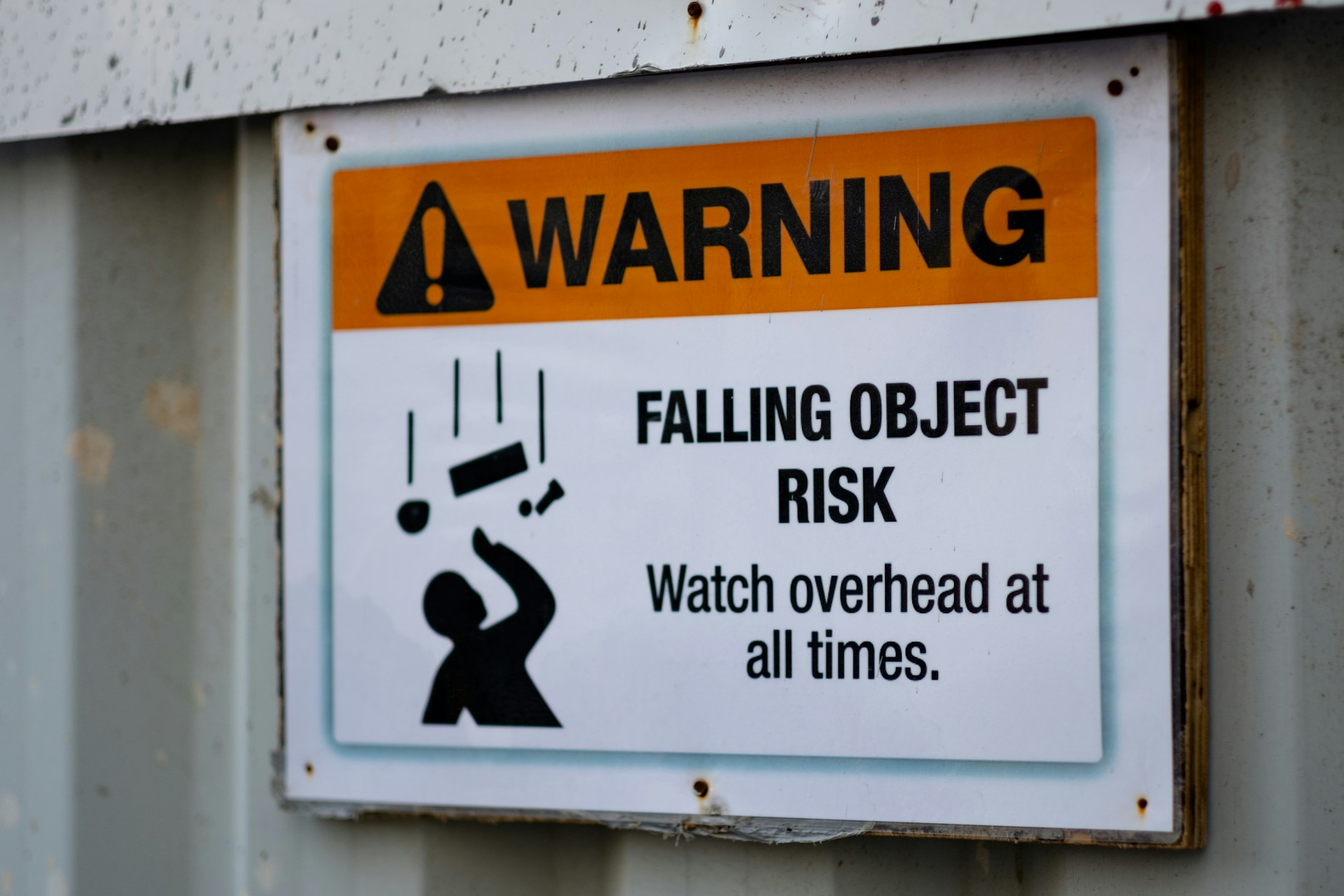
Every year in May, North American Occupational Safety and Health (NAOSH) Week serves as a national call to action for employers, workers, and health and safety professionals. In Canada, this observance carries real legal weight. For Toronto employers, whether you operate a downtown Bay Street office tower or a Scarborough manufacturing facility, it is an opportunity to assess your compliance posture and ensure your obligations under the Occupational Health and Safety Act (OHSA) are fully met.
What many Ontario employers don’t fully appreciate is that while the OHSA’s foundational duty to take every precaution reasonable in the circumstances applies universally, the specific regulations, hazard profiles, and enforcement priorities vary significantly by industry. A Midtown Toronto business and a GTA steel fabrication plant are bound by the same statute, but compliance looks entirely different for each.
What OHSA Requires of Every Employer
The OHSA requires every employer to maintain equipment and protective devices in good condition, inform workers of known hazards, and keep the workplace free of conditions likely to endanger employees. These obligations apply universally, from the smallest Toronto startup to the largest industrial conglomerate.
The Internal Responsibility System places primary accountability on the parties closest to hazards (employers and workers) rather than relying on government enforcement. Joint health and safety committees, mandatory in most Ontario workplaces with 20 or more workers, play a legally required role that inspectors from the Ministry of Labour, Immigration, Training and Skills Development will scrutinize during audits or following incidents.
Penalties for non-compliance are serious:
- A director or officer convicted of an OHSA offence may be subject to a fine of up to $1,500,000 and/or 12 months imprisonment;
- Other individuals convicted can be fined up to $500,000 and/or receive 12 months imprisonment;
- Corporations may face fines of up to $2,000,000. If a corporation is convicted of an OHSA offence for a second time that results in the death or serious injury of one or more workers in a two-year period, the minimum fine is $500,000.
Beyond financial exposure, a serious injury or fatality can trigger mandatory work stoppages and Ministry investigations, with reputational consequences in Toronto’s competitive labour market that can be just as damaging.
Office Settings: Hidden Hazards Employers Routinely Underestimate
The office environment rarely conjures the same safety urgency as a factory floor, and that is a costly misconception. Office workplaces are subject to the full scope of the OHSA, with ergonomic hazards, indoor air quality, workplace violence and harassment, psychological health, and emergency preparedness among the most significant compliance areas.
The OHSA’s harassment and violence provisions impose specific obligations on all employers regardless of sector. Office employers must maintain written policies, conduct complaint investigations, and take every reasonable precaution to protect workers, including from clients or members of the public. In a post-pandemic era of hybrid work, Toronto employers face increasingly complex questions about whether remote environments trigger OHSA obligations. The Ministry’s guidance is nuanced, and employers without legal advice on their remote work safety policies are leaving themselves exposed.
Ergonomics deserves particular attention. Repetitive strain injuries and musculoskeletal disorders from improper workstation setup are among the most common sources of lost-time WSIB claims for Ontario office workers. Proactive ergonomic assessments, sit-stand workstation policies, and documented training are not merely best practices. In the context of a Ministry inspection or Workplace Safety and Insurance Board (WSIB) audit, they are evidence of due diligence that can meaningfully affect how a claim or enforcement action is resolved.
Industrial Settings: A Substantially Elevated Duty of Care
For employers in industrial, manufacturing, construction, or warehousing environments, OHSA obligations are dramatically more prescriptive. Regulations impose detailed requirements covering machine guarding, lockout/tagout, material handling equipment, personal protective equipment (PPE), confined space entry, and hazardous materials. Toronto construction projects are subject to additional regulations that mandate fall protection, scaffolding safety, and worker awareness training as baseline requirements.
WHMIS 2015 is Canada’s national hazard communication standard and imposes specific obligations on employers handling hazardous products, including current and accessible safety data sheets (SDS), worker training on hazard identification, and proper product labelling. WHMIS compliance is one of the most frequently cited areas of non-compliance during Ministry inspections, and one of the most preventable. A failure to maintain an up-to-date SDS library is not a minor administrative oversight; following a chemical exposure incident, it becomes evidence of systemic non-compliance.
Supervisor accountability is especially critical in industrial settings. Supervisors are personally liable under the OHSA for ensuring worker compliance, confirming required PPE is worn, and correcting or reporting unsafe conditions. In environments where safety failures can be catastrophic, robust and documented supervisor training is essential. Ontario courts and administrative tribunals have consistently held that employers cannot delegate their OHSA obligations to an untrained supervisory team; both the employer and supervisor can be held accountable simultaneously.
Where Office and Industrial Obligations Converge
Despite significant differences, office and industrial employers share a substantial common core of legal obligation. Every employer must conduct regular workplace inspections, maintain incident logs, report critical injuries to the Ministry within prescribed timelines, and cooperate with Ministry inspectors. The duty to accommodate workers with disabilities, including those recovering from workplace injuries, applies equally across all sectors under both the OHSA framework and the Human Rights Code.
Mental health is an area where employer obligations are evolving rapidly and where the office/industrial distinction is increasingly irrelevant. The Mental Health Commission of Canada’s National Standard for Psychological Health and Safety in the Workplace is voluntary, but it has become a significant reference point in regulatory enforcement and civil litigation. Toronto employers in all sectors should conduct psychological risk assessments, implement respectful workplace training, and document their efforts.
Return-to-work obligations under the Workplace Safety and Insurance Act are another shared responsibility. Employers are obligated to re-employ workers who suffer work-related injuries, provided the worker can perform essential duties and the business continues in substantially the same form, whether that worker is a data analyst at a consulting firm or a machinist at a foundry. Employers who fail to meet this obligation face WSIB experience rating penalties and potential civil liability.
Prioritizing Workplace Safety in Ontario
Spring is an excellent time for Ontario employers to reinforce their safety culture from the top down. Employers who treat health and safety as a strategic priority, not an afterthought, attract better talent, reduce WSIB costs, avoid operational disruptions from Ministry stop-work orders, and build the kind of workplace reputation that matters in a competitive labour market. The cost of proactive compliance is always lower than the cost of reactive enforcement.
Haynes Law Firm: Advising Toronto Employers on OSHA Obligations
If you have questions about your obligations under the OHSA, WSIA, WHMIS, or workplace harassment legislation, Paulette Haynes is here to help. Whether you operate an office in the Financial District, a warehouse in Mississauga, or a manufacturing facility anywhere in the GTA, Haynes Law Firm provides practical, results-driven legal advice tailored to your industry. To schedule a confidential consultation on your workplace safety issue, please contact us online or call (416) 593-2731.
